Welcome to the
Lab
Shining Light on the Global Carbon Cycle
Who We Are & What We Do
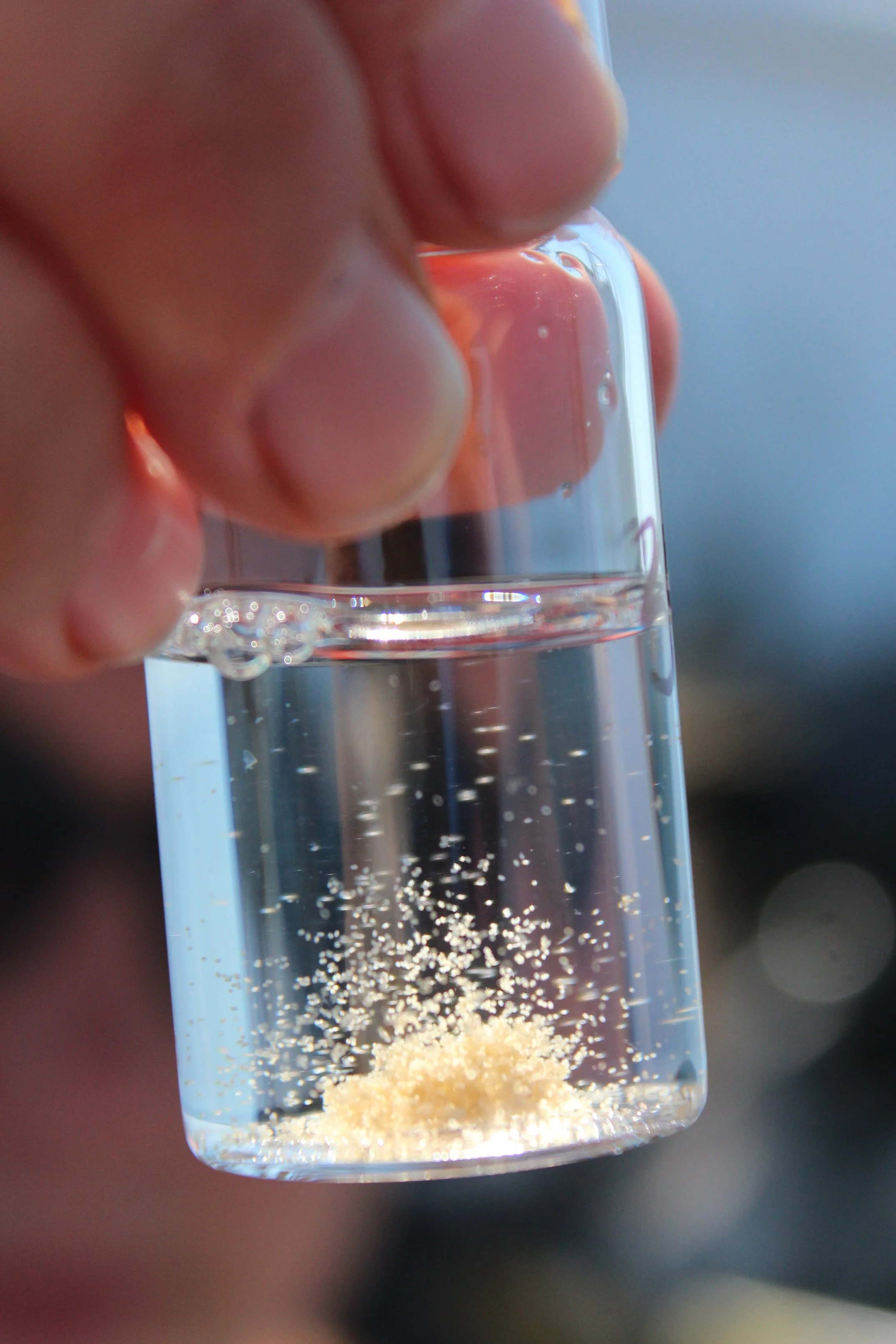
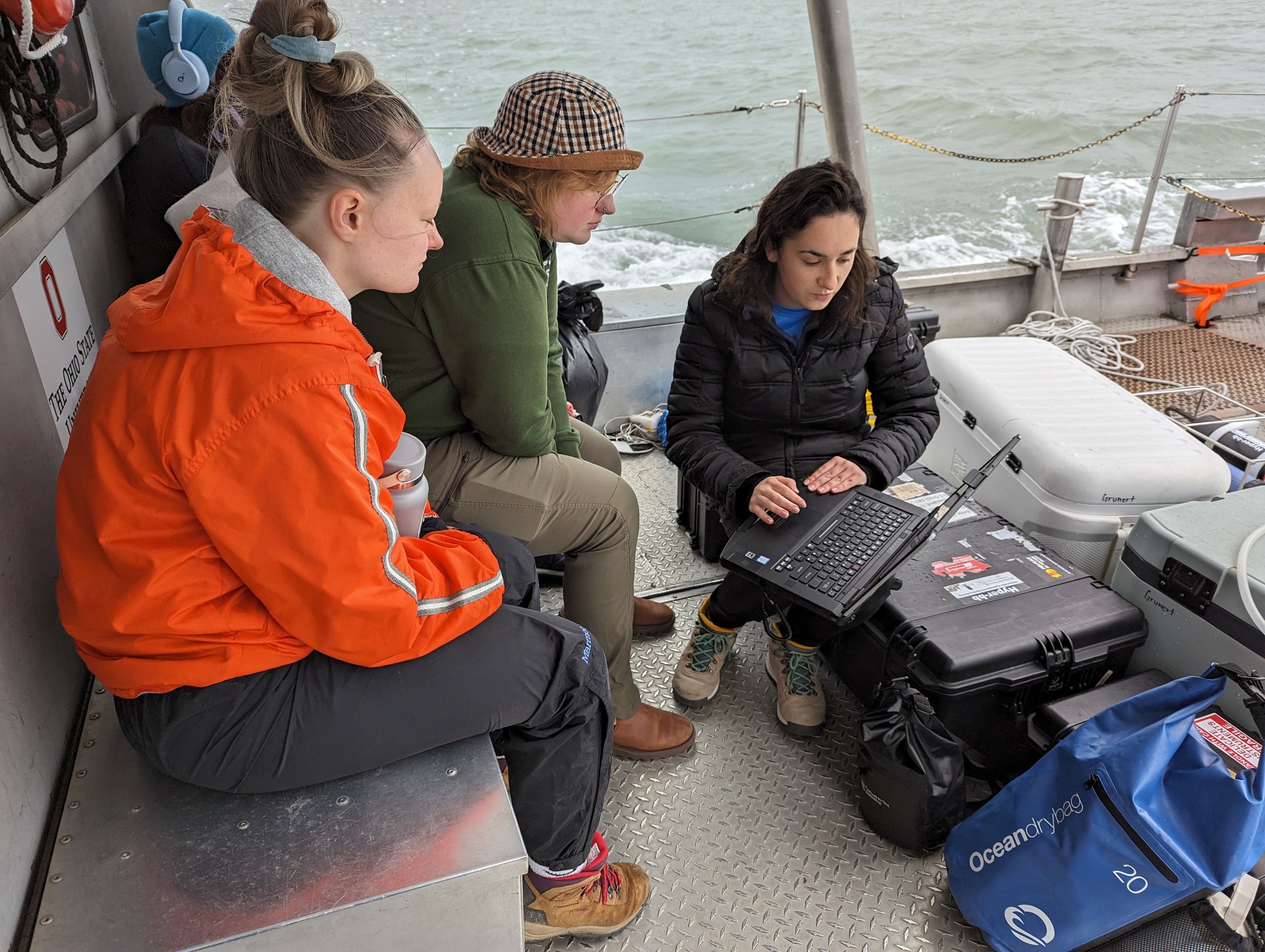
We are a research lab that uses satellite and field-collected data and state-of-the-art tools to improve our spatiotemporal understanding of water quality and aquatic ecosystems. Based in Cleveland, Ohio, at Cleveland State University, our research starts in the Great Lakes and spans the globe, collaborating with the scientific community to improve our ability to observe and understand the biogeochemical cycles that influence inland and coastal water quality.
About Us
Research Overview
Aquatic systems contain dissolved organic molecules that play key roles in ecosystem function and light regulation. A portion of this material, known as colored dissolved organic matter (CDOM), interacts with light much like tea or coffee varies in appearance based on origin and composition. These molecules, along with elements like phytoplankton and sediment, influence water color—signals that can be detected by the human eye, aircraft, and satellites. By studying these signals, we advance community knowledge and gain insights into how aquatic ecosystems work and what drives their variability across diverse environments, from the Great Lakes to Hawai'i.
Read The Latest!
*
Read The Latest! *
Here are the latest active projects we are working on!
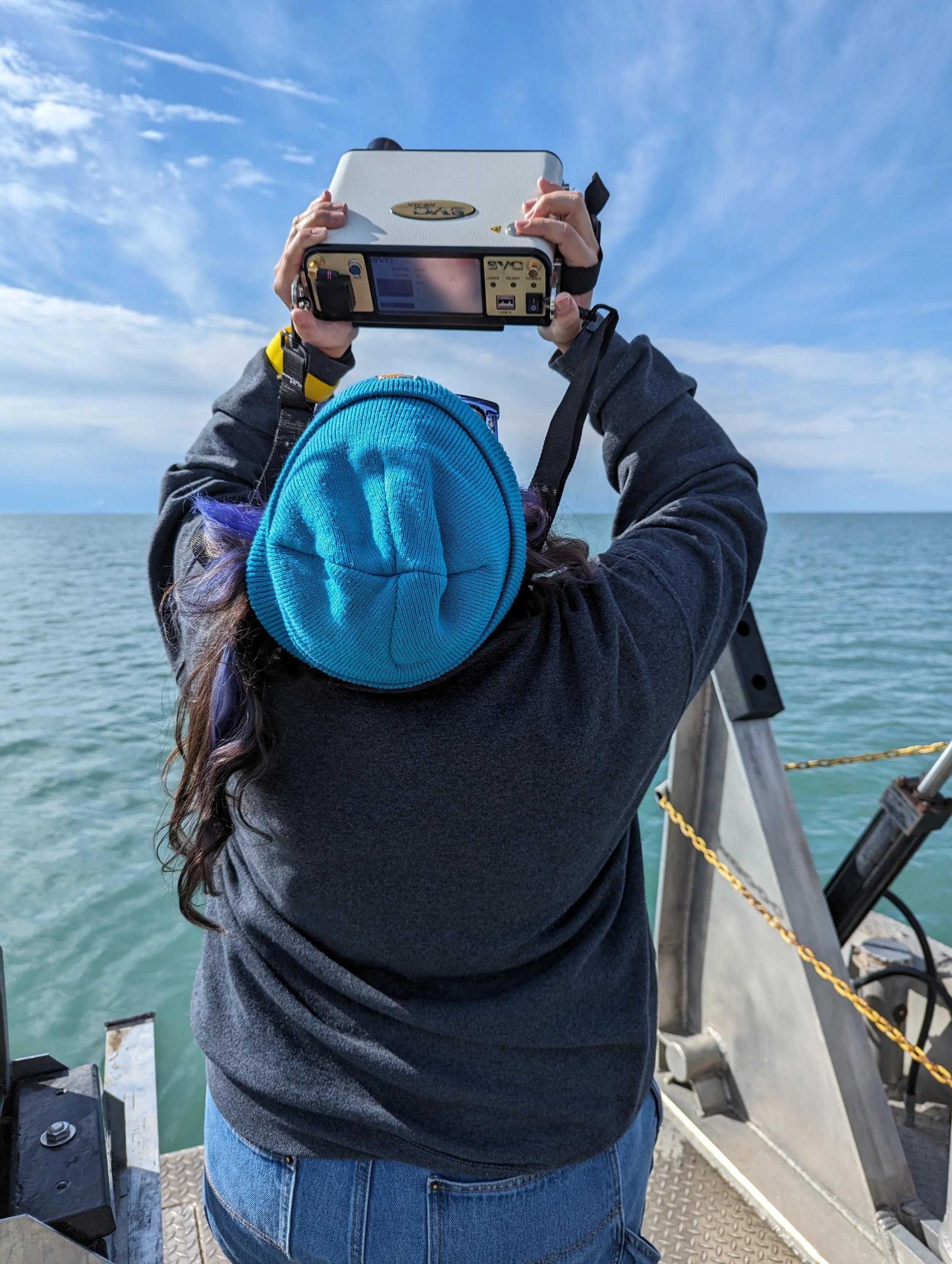
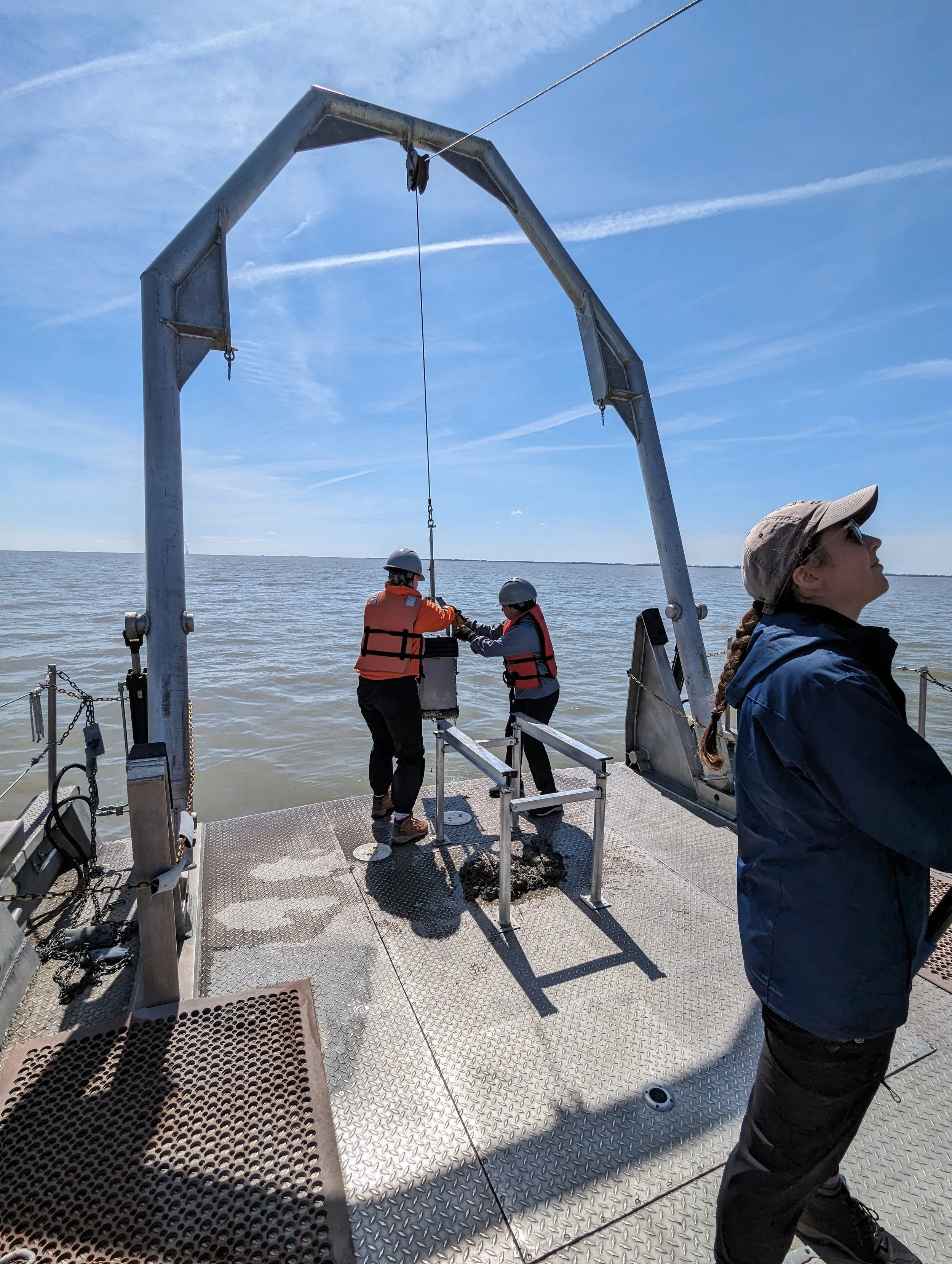
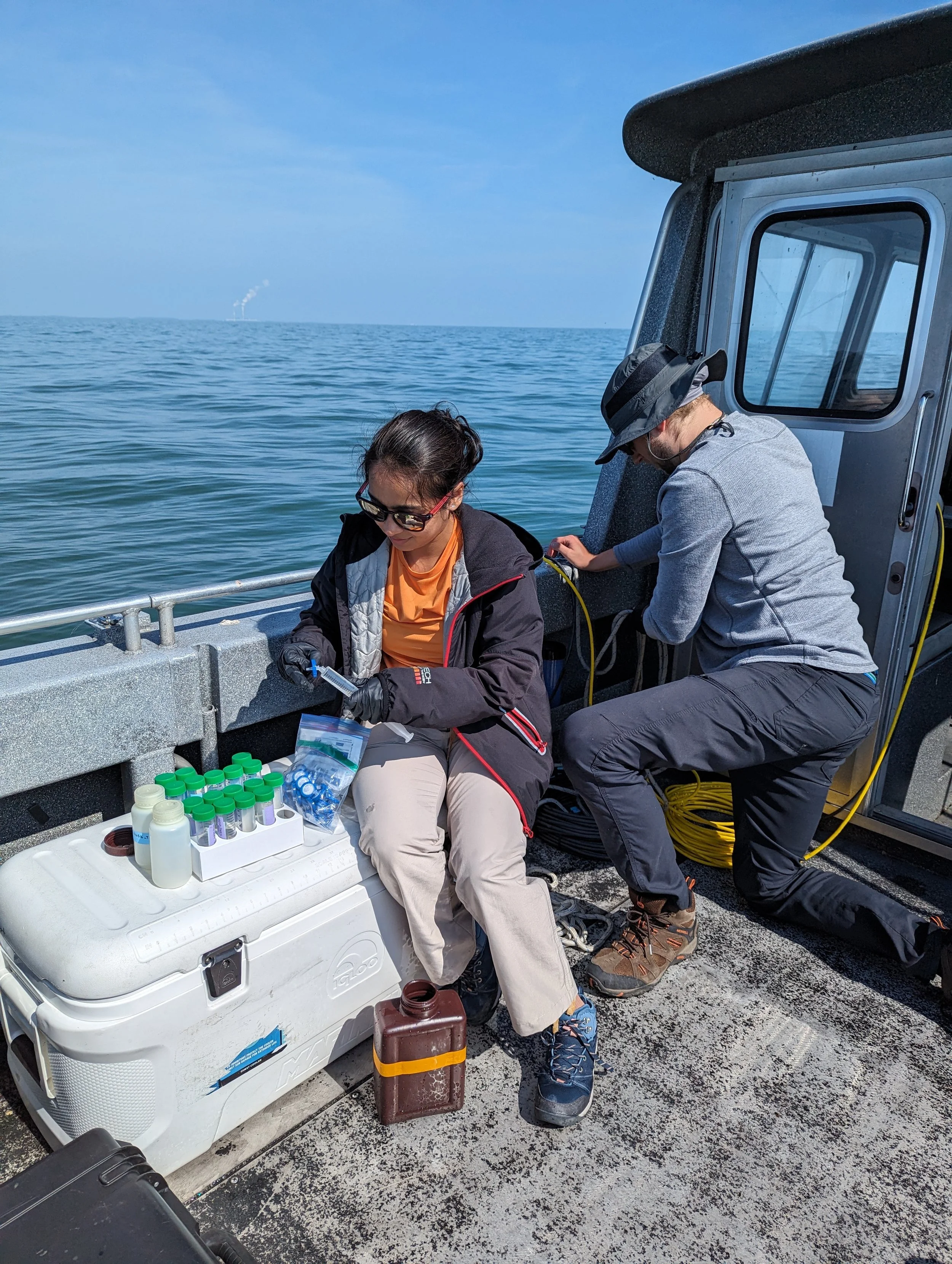
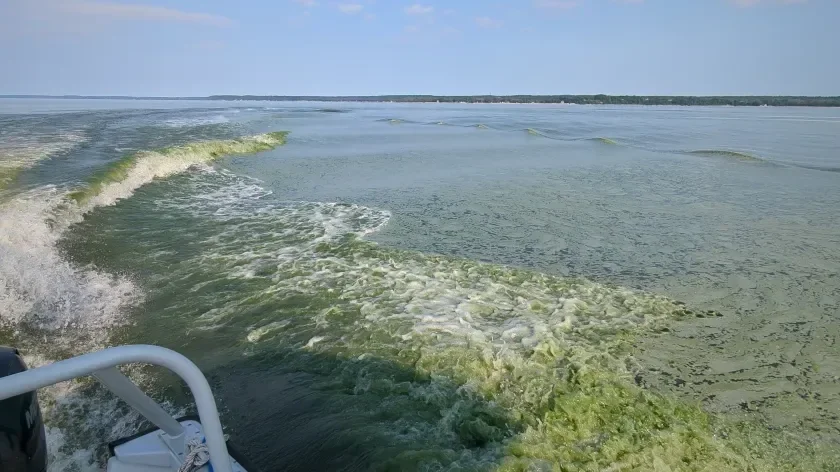
Impact of Legacy Phosphorus on Lake Erie Blooms
Western Lake Erie water quality is severely degraded by recurring harmful algal blooms every summer, with varying degrees of severity and toxicity.
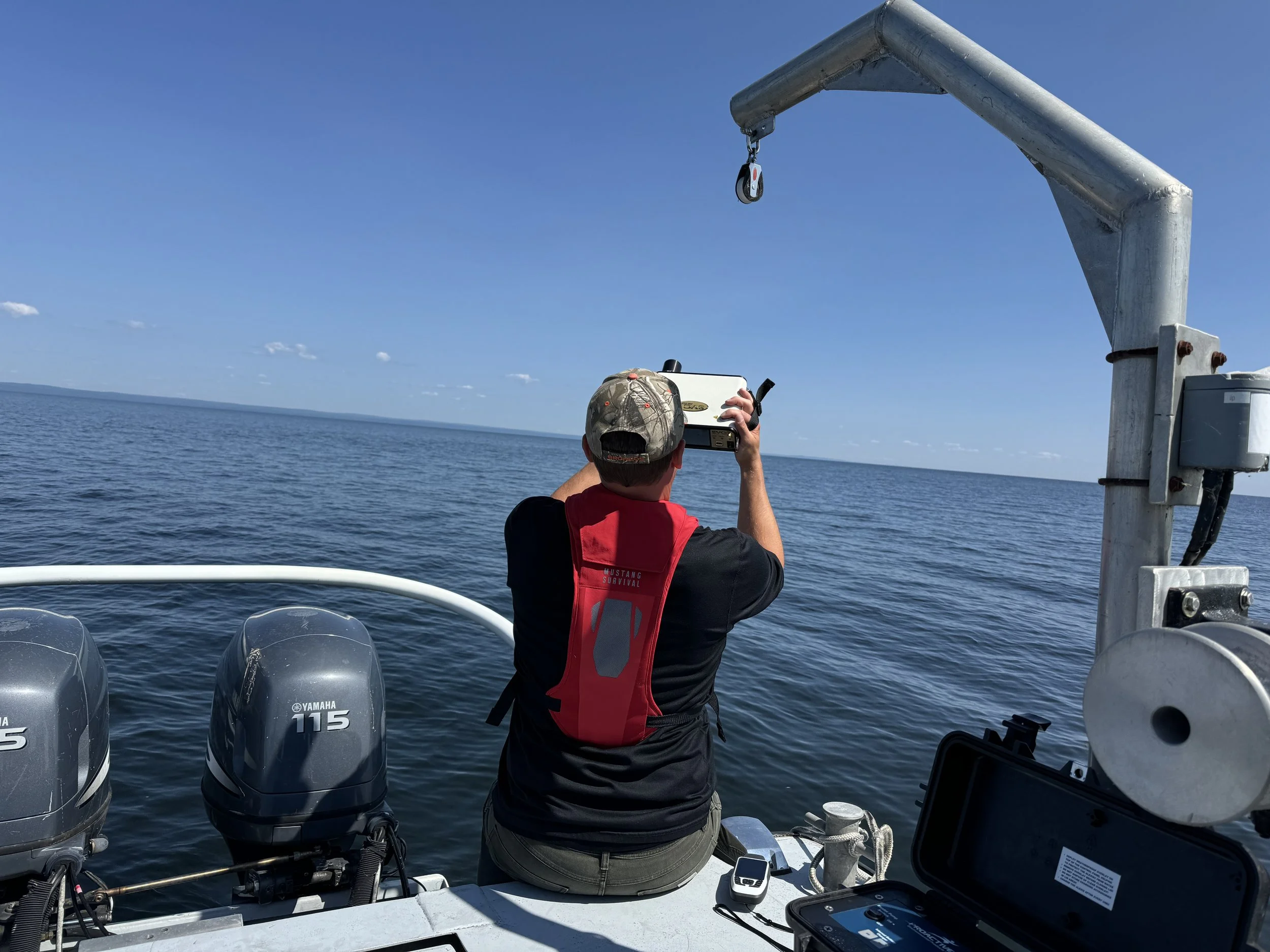
Validating NASA’s PACE in the Great Lakes
Over 50% of the world’s population lives within 3 km of a surface freshwater body, and nearly 2.4 billion people live within 10 km of the coastal ocean. In the U.S. alone, coastal zone counties account for 48% of the U.S. GDP and 42% of U.S. employment, representing the extensive use and importance of these ecosystems.
NASA PACE Story Map -Wisconsin Waters Field Notes from the Carbon and H2Optics Lab
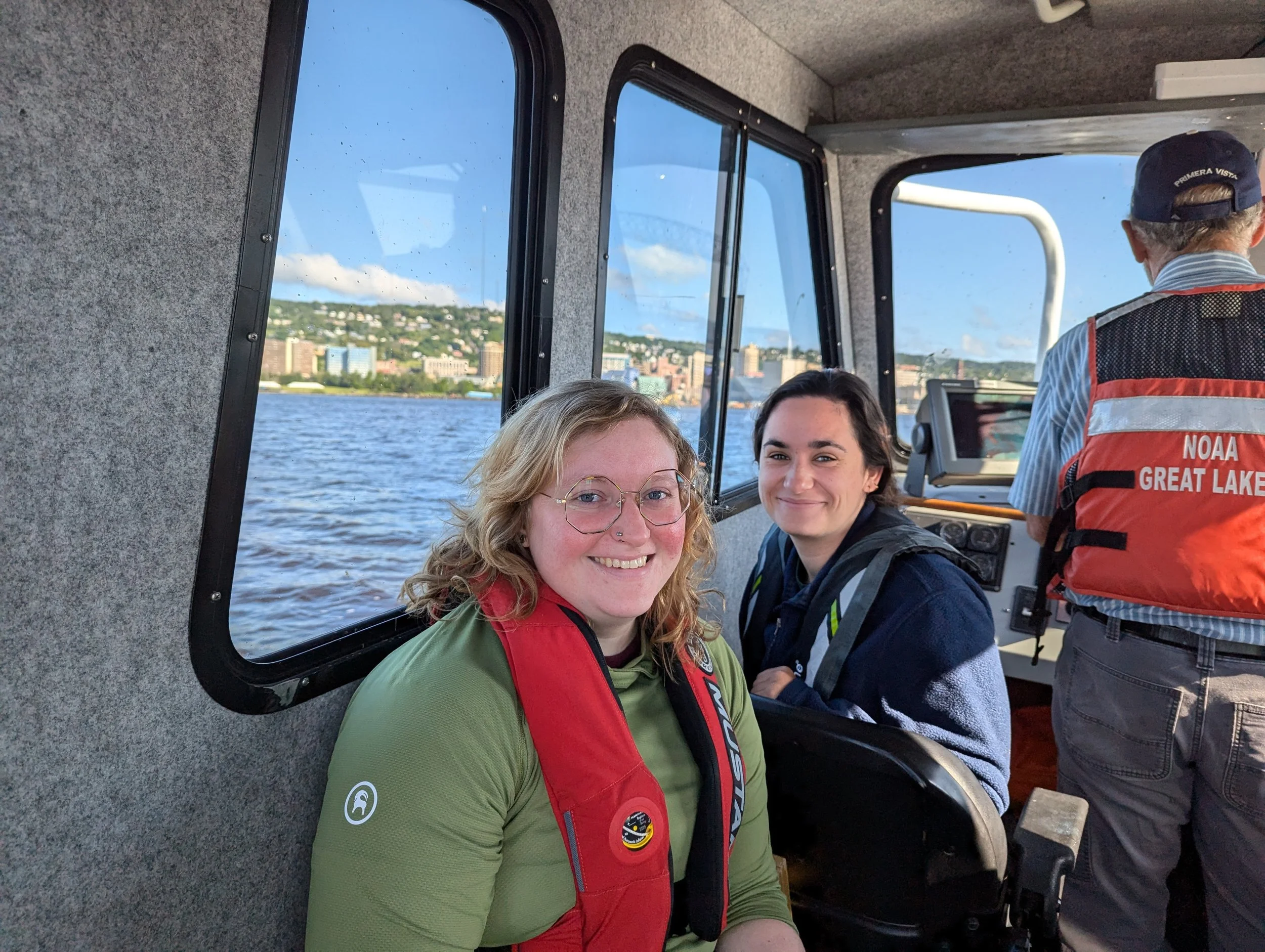
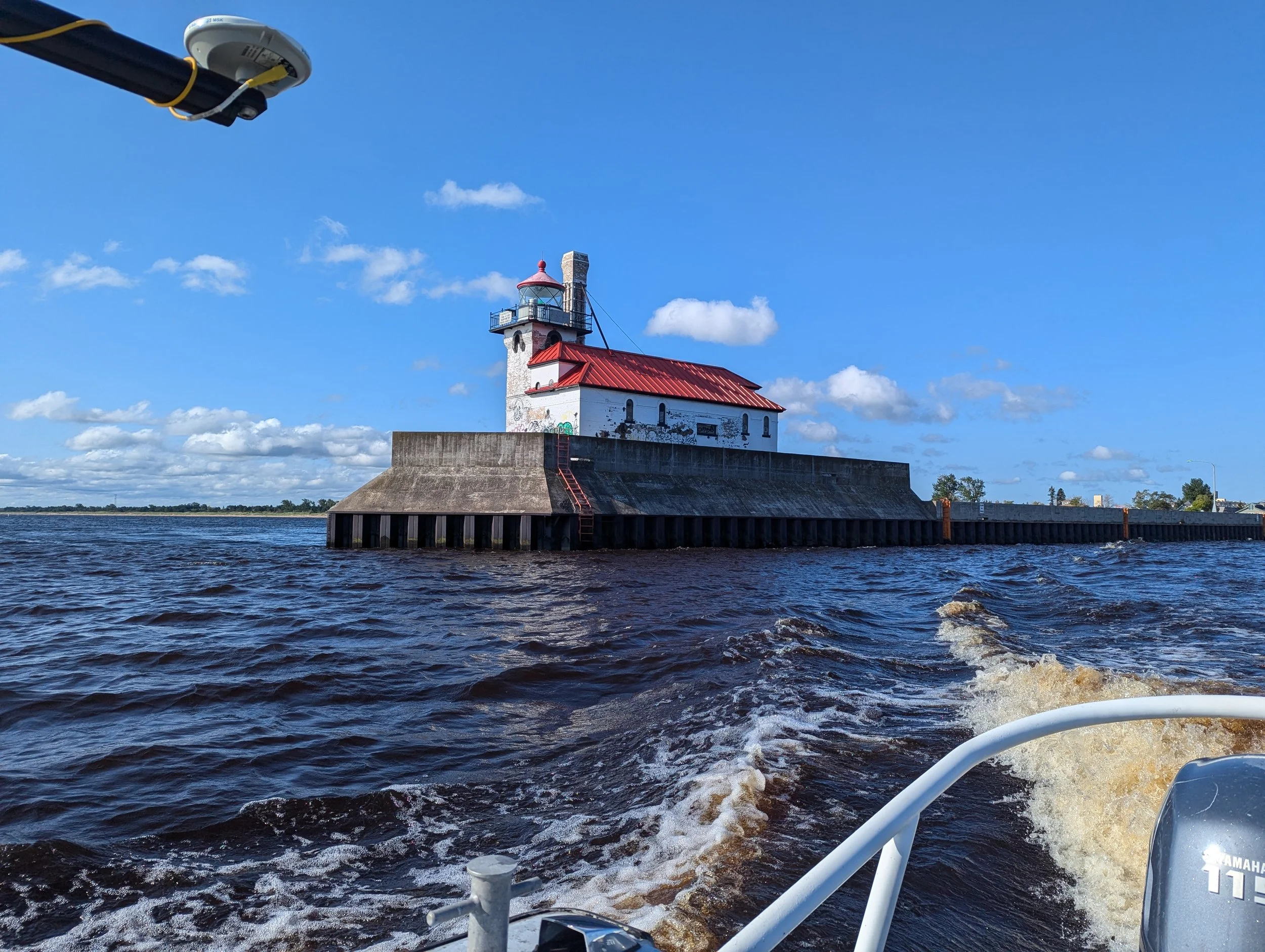
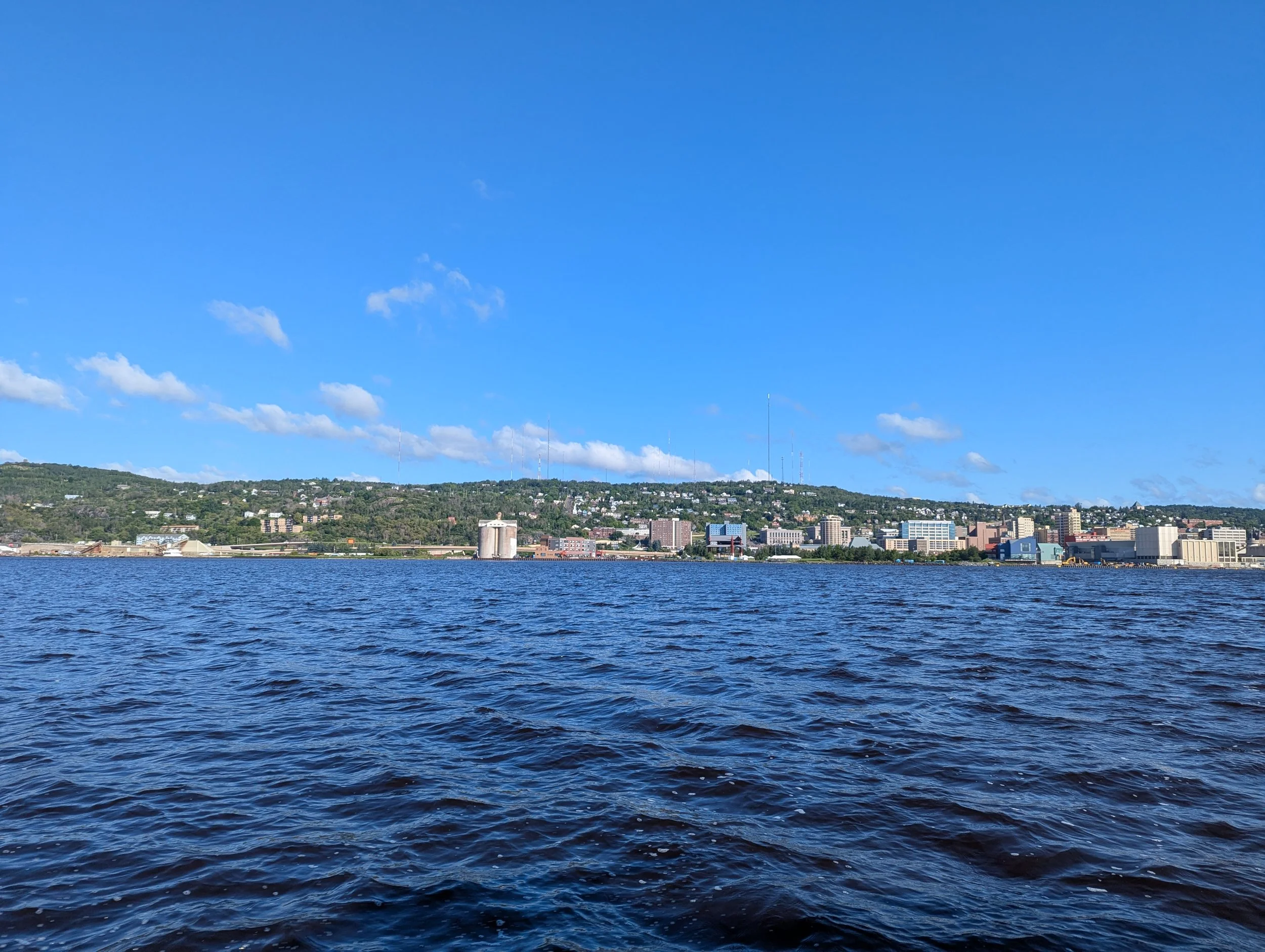
In August 2025, Kendra Herweck, Trevor Holm, and I packed up our gear for what I like to call the “Wisconsin Tour.” This whirlwind trip was planned to sample three very different lakes. Turns out, we went to three lakes and four distinct ecosystems during this trip... sometimes you don't know where science will take you!